Why Professional Industrial Electrical Work Is Essential for Modern Industries
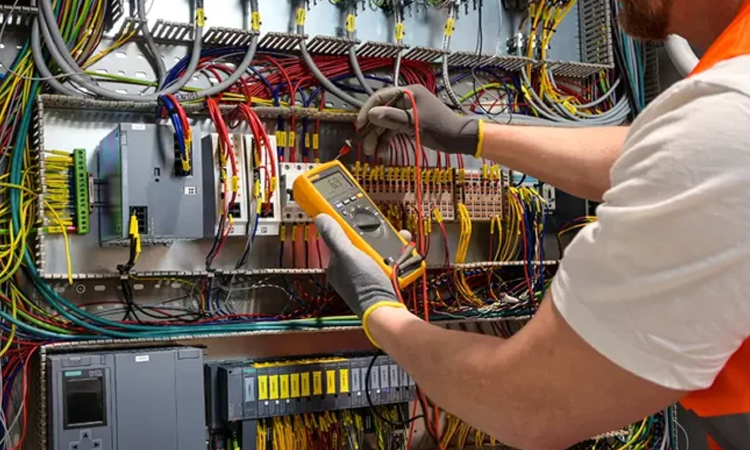
Why Professional Industrial Electrical Work Is Essential for Modern Industries
Modern industries depend heavily on reliable electrical systems to keep machinery, production lines, lighting, automation equipment, and safety systems operating efficiently. From manufacturing plants and warehouses to processing units and industrial facilities, electricity plays a central role in almost every business operation. This makes professional industrial electrical work an important part of maintaining productivity, safety, and long-term operational efficiency.
Industrial electrical systems are considerably more complex than residential or basic commercial electrical installations. They may involve heavy machinery, high-power equipment, electrical panels, motors, control systems, automation components, and extensive wiring networks. Poor installation, inadequate maintenance, or improper repairs can result in equipment damage, production interruptions, electrical hazards, and unnecessary expenses.
Professional industrial electricians and electrical contractors have the knowledge, tools, and experience required to design, install, maintain, troubleshoot, and repair industrial electrical systems. This article explains why professional industrial electrical work is essential for modern industries and how it can support safer and more efficient operations.
Why Is Professional Industrial Electrical Work Important?
- Inspecting electrical connections
- Checking electrical panels
- Testing motors and equipment
- Examining cables and wiring
- Identifying overheating components
- Checking protective devices
- Testing electrical systems
- Replacing worn or damaged components
- Inefficient motors
- Overloaded circuits
- Poor connections
- Outdated electrical equipment
- Excessive lighting consumption
- Power distribution issues
- Unbalanced electrical loads
Improves Workplace Electrical Safety
Electrical safety is one of the most important concerns in an industrial environment. Factories and manufacturing units may contain high-voltage equipment, heavy machinery, motors, electrical panels, cables, and other components that can create serious hazards when incorrectly installed or maintained.
Professional industrial electrical work helps ensure that electrical installations are properly planned, connected, protected, and maintained. Professionals can identify issues such as damaged cables, overloaded circuits, poor connections, inadequate earthing, and faulty electrical components before they develop into larger problems.
Regular inspections and maintenance can also help businesses identify potential electrical hazards at an early stage.
Reduces Unexpected Equipment Downtime
Production downtime can affect manufacturing schedules, deliveries, labour utilization, and overall business operations. An electrical failure affecting a machine or production line can bring operations to a halt.
Professional industrial electrical maintenance helps reduce the possibility of unexpected failures by identifying developing problems before they cause major breakdowns.
Preventive maintenance may include:
A proactive approach to electrical maintenance can help industries maintain more consistent production operations.
Supports Efficient Industrial Machinery
Modern manufacturing facilities use a wide range of electrical machinery, including motors, pumps, compressors, conveyors, CNC machines, production equipment, and automated systems.
These machines require appropriate electrical connections and reliable power supply to function correctly. Incorrect wiring, voltage fluctuations, loose connections, or improperly sized electrical components can affect machine performance.
Professional industrial electrical work ensures that machinery receives the appropriate electrical connections and protection according to system requirements.
Proper electrical installation can also help minimize avoidable equipment stress and improve operational reliability.
Helps Improve Energy Efficiency
Energy consumption is a major consideration for industrial businesses. Manufacturing equipment, motors, HVAC systems, compressors, lighting, and other electrical loads can consume significant amounts of electricity.
Professional electrical inspections can help businesses identify areas where energy may be wasted.
For example, electrical professionals can assess:
Based on the findings, industries can consider appropriate upgrades and energy-efficient solutions.
Improving electrical efficiency can contribute to better resource utilization and help businesses manage operating costs.
Ensures Proper Electrical Installation
Industrial electrical installations require careful planning. A manufacturing facility may have multiple machines, electrical panels, distribution boards, control systems, lighting circuits, and power requirements.
Professional electrical contractors can assess the facility's requirements before carrying out installation work. This helps ensure that cables, panels, protective devices, and other components are appropriately selected and installed.
A professionally designed installation can also make future maintenance and troubleshooting easier.
Common Industrial Electrical Services
Professional industrial electrical contractors may provide a wide range of services depending on the requirements of a facility.
- Industrial Wiring Industrial wiring involves installing and connecting cables and electrical circuits for machinery, panels, lighting, equipment, and other systems.
- Electrical Panel Services Electrical panels are essential for controlling and distributing electrical power throughout an industrial facility. Professional services may include panel installation, wiring, inspection, troubleshooting, and maintenance.
- Motor Electrical Services Industrial motors are used in pumps, conveyors, compressors, machines, and production systems. Proper motor wiring, connections, control systems, and maintenance are essential for reliable operation.
- Industrial Lighting Factories and warehouses require adequate lighting for productivity and workplace safety. Industrial electrical professionals can install and maintain lighting systems according to facility requirements.
- Electrical Maintenance Routine maintenance helps identify damaged components, loose connections, overheating, insulation issues, and other potential problems.
- Electrical Troubleshooting and Repairs Professional troubleshooting helps identify electrical faults and restore affected equipment or systems to working condition.
How to Select an Industrial Electrical Service Provider
Choosing the right industrial electrical contractor is important because electrical systems directly affect production and workplace safety.
Before hiring a service provider, businesses should consider:
- Experience with industrial facilities
- Range of electrical services
- Technical expertise
- Safety practices
- Availability for maintenance and repairs
- Quality of electrical components used
- Ability to handle troubleshooting
- Understanding of industrial machinery
- Project planning and documentation
- References or previous industrial projects
The contractor should also understand the specific electrical requirements of the facility rather than applying a one-size-fits-all approach.
The Future of Industrial Electrical Work
Industrial electrical systems are evolving alongside automation, digitalization, and smart manufacturing. Modern facilities increasingly depend on automated machinery, intelligent control systems, sensors, energy-monitoring technologies, and connected equipment.
This means industrial electrical professionals need to understand not only traditional wiring and power distribution but also modern control and automation systems.
Energy efficiency and electrical monitoring are also becoming increasingly important as industries look for ways to optimize resource consumption and improve operational performance.
Professional electrical services will continue to play an important role in supporting these technological developments.
Conclusion
Professional industrial electrical work is an essential part of modern industrial operations. From electrical installation and wiring to maintenance, troubleshooting, machinery connections, and system upgrades, reliable electrical services help businesses maintain safe and efficient facilities.
A professionally designed and maintained electrical system can support machinery performance, reduce unexpected downtime, protect equipment, improve energy utilization, and provide a stronger foundation for industrial automation.
For manufacturing plants, factories, warehouses, processing facilities, and other industrial environments, investing in professional electrical installation and maintenance is an important step toward maintaining reliable and productive operations. By working with experienced industrial electrical professionals, businesses can address current electrical requirements while preparing their facilities for future expansion and technological development.